
Breaking Barriers in Cervical Cancer Prevention: Our Journey with HPV Testing in Nigeria -Prof. Nusrah Afolabi-Balogun
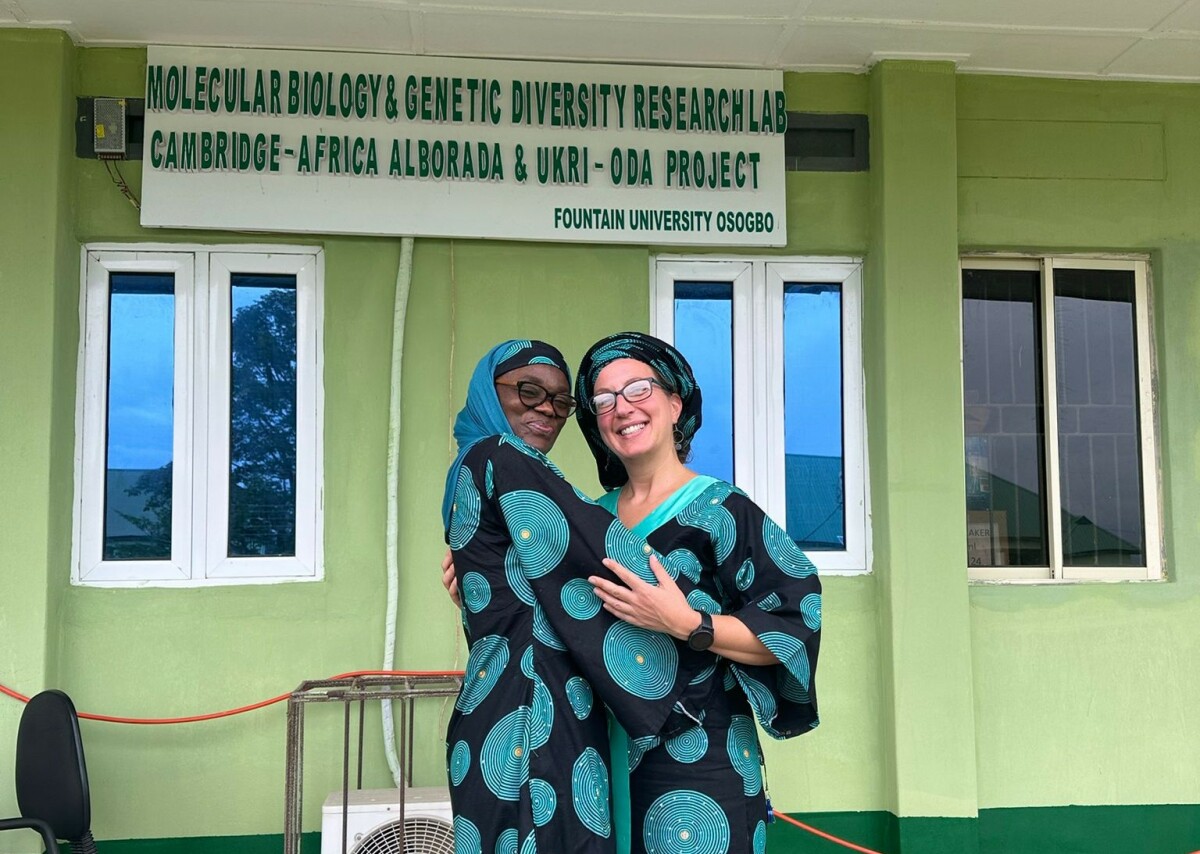
Cervical cancer remains one of the deadliest cancers for women in Nigeria. Unlike many high-income countries, where HPV vaccination and screening are routine, women here often have little access to preventive care. Too many lives are lost simply because early detection is out of reach. That is why our team, in collaboration with our Cambridge collaborator (Dr Sara Pensa) and BioRTC Nigeria, set out to change this reality. With support from the Cambridge–Africa ALBORADA Research Fund, and UKRI International Science Partnerships Fund, we built the capacity to test for Human Papillomavirus (HPV) locally, quickly, affordably, and reliably.
Over the course of the project, we established two major diagnostic methods in our lab. The first was qPCR testing, a gold-standard technique that allowed us to detect HPV with high accuracy. The second was a low-cost LAMP assay, designed for use in field clinics without the need for sophisticated equipment. Together, these innovations now mean women in Nigeria can be screened with tools developed and validated within their own communities.
But science does not exist in isolation. Alongside lab work, we organised outreach campaigns that reached more than 600 women, offering free HPV screening and follow-up care for those with early infections. For some, this was the first time they had ever been tested. Seeing their relief and gratitude reminded us why research must always connect back to people.
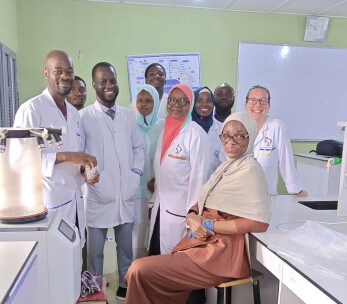
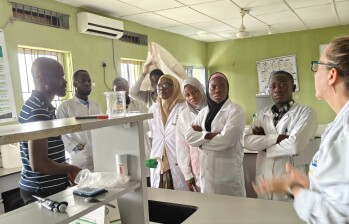
Capacity building was also at the heart of this journey. A five-day hands-on workshop trained 25 local scientists and technologists in HPV testing and advanced bioimaging. Undergraduate and postgraduate students joined in, gaining experience that will shape their careers. One master’s student even built their thesis around this project, showing how local research can grow into long-term academic impact.
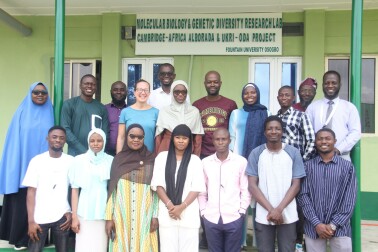
Workshop Participants
Of course, there were challenges. Unreliable electricity, shortages of specialised reagents, and the difficulty of reaching rural communities all tested our resolve. But with creative solutions, from backup power to open-source protocols, we kept pushing forward. These obstacles became opportunities to think differently and build resilience into our systems.
Most importantly, this project has shown that world-class research is possible in Nigeria when we invest in people, infrastructure, and partnerships. Together, we have not only developed diagnostic tools but also created a model for sustainable, community-rooted health research.
For me, the most powerful moment was when two women, identified early through our free screening, received the care they needed before cancer could take hold. That is the impact we dreamt of, and the future we are determined to expand.
This is just the beginning. With continued collaboration and support, I believe Nigeria can become a leader in affordable, innovative cancer prevention strategies. The lives of our women depend on it, and their future health is worth every effort.