My PhD Journey: Lessons in Perseverance, Purpose, and Growth
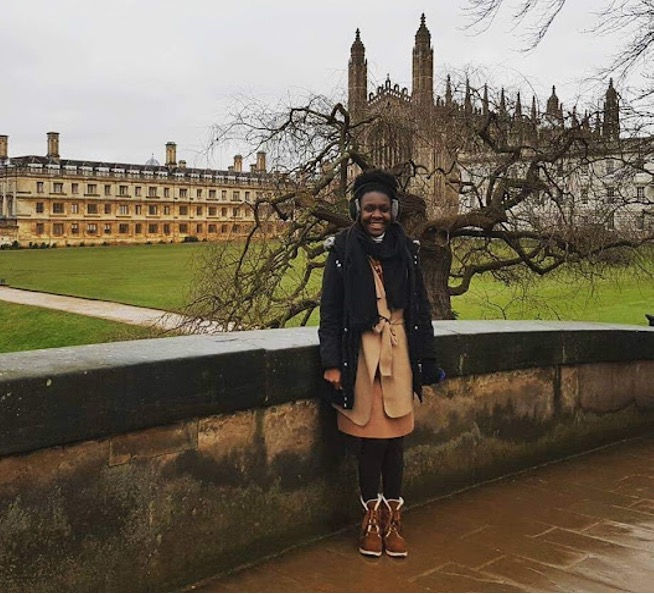
I arrived in Cambridge on a crisp autumn afternoon in October 2017 and had my viva in October 2025. I’m sure two questions come to mind dear reader: What? and Why?
The short answer is: life happened. The longer answer is that my PhD journey became an intricate weave of research, motherhood, pandemic upheaval, and perseverance. It stretched to over double the time I had originally mapped out, not because of a lack of effort, but because it became entwined with some of the most challenging and transformative seasons of my life.
Beginning
I quickly settled into Cambridge and launched into my research with excitement.
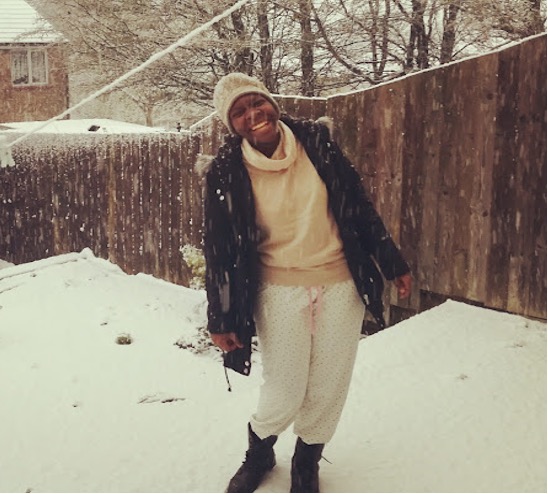
Experiencing my first snowfall!
My study focused on masculinity and fatherhood in Kenya; examining how a father-inclusive health programme could shift gender norms and improve the wellbeing of families with preterm infants. Coming from a public health background, I wanted to explore how social science could illuminate the human dimensions behind health outcomes. I connected the clinical and behavioural with the cultural and relational, asking: what happens when men are invited into caregiving spaces that have traditionally excluded them?
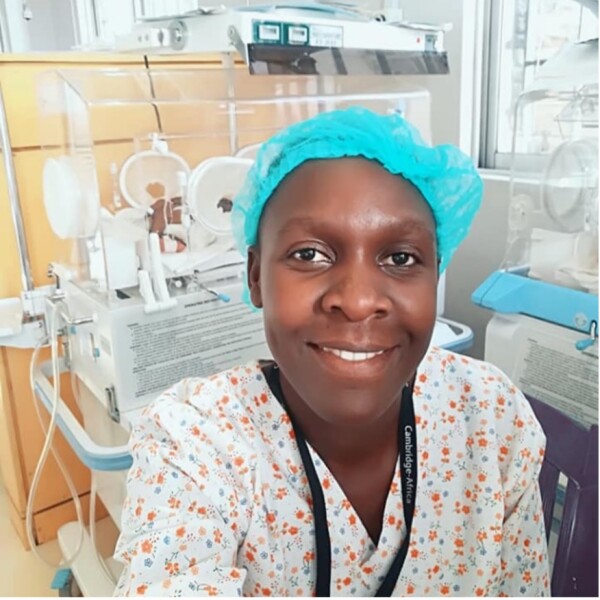
Margaret in the NICU (Neonatal Intensive care Unit), checking up on pre-term babies.
To study this, I used a mixed-methods approach and designed a randomised controlled trial that evaluated the impact of a health intervention I developed. By the end, I had conducted more than 600 interviews with fathers, mothers, and healthcare workers. On analysis, there were promising improvements in health outcomes of the preterm infants; fathers gained confidence and skill in caring for their babies; mothers reported reduced stress and a greater sense of partnership; and health workers viewed the intervention as effective.
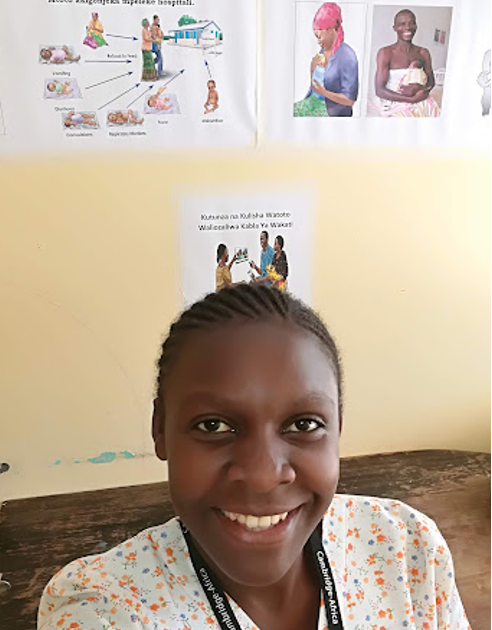
Photo taken during my fieldwork in Kisii Teaching and Referral Hospital, Kisii County, Kenya - in the training and interview room next to the maternity and paediatric wards
Disruption
In the third year of my PhD, I got married and had a baby—and then the world shut down. The COVID-19 pandemic brought isolation and uncertainty, and the comforting structure of academic life dissolved overnight. Those months were some of the hardest of my life. I was knee-deep in data analysis; all while caring for my one-year-old daughter during a global crisis which impeded access to childcare. I was overwhelmed!!! I therefore decided to take a leave of absence from my studies, grateful for the reprieve but not certain when I’d be back… It felt like failure at the time, but it was, in truth, an act of wisdom; a pause to breathe, recover, and re-centre.
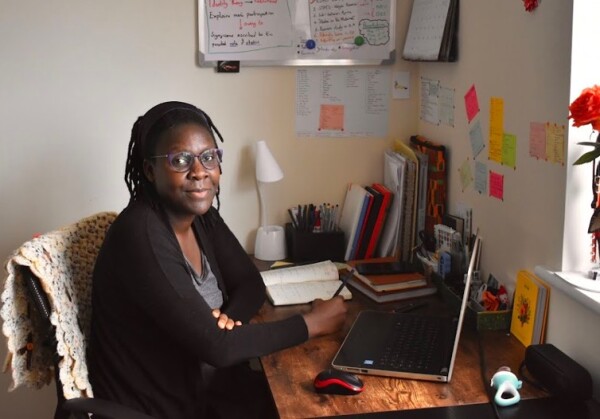
New Rhythms
Returning home re-established the support systems I had desperately needed and when I got back to my research many months later, it was with renewed clarity and perspective. Motherhood had changed everything. While it had altered my academic timelines, it also expanded my empathy and gave me a richer lens through which to see my data. I could now perceive the tenderness, uncertainty, and quiet strength in my participants’ stories more vividly.
I later began part-time consultancy work alongside my PhD. Working and studying from home while parenting (in subsequent years, welcoming two more children) was a constant balancing act. Yet it gave me a sense of purpose and continuity. I was reminded that academic skills have practical value beyond the thesis, and that scholarship can meaningfully inform real-world programmes.
Progress was slow, but I found new patterns of work and rest, alternating between moments of focus and the chaos of family life. I learned to write in unpredictable bursts and to forgive myself for the pace. Advancement was no longer linear, but it was steady, and I eventually got it done.
Pictorial snapshots of my time in Cambridge
My years in Cambridge were filled with moments that shaped both my academic and personal life: from my 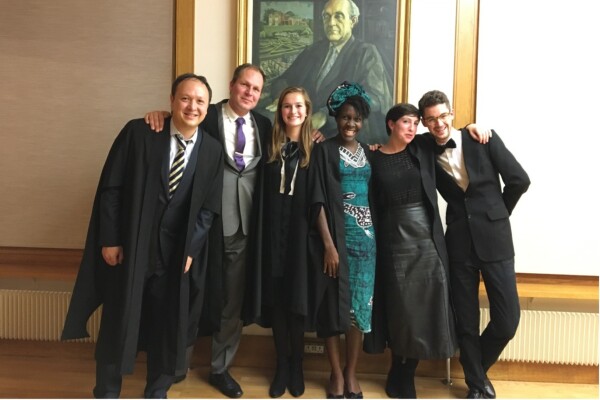 matriculation dinner at Wolfson College. Second from left is my College Tutor, Martin Vertegaard
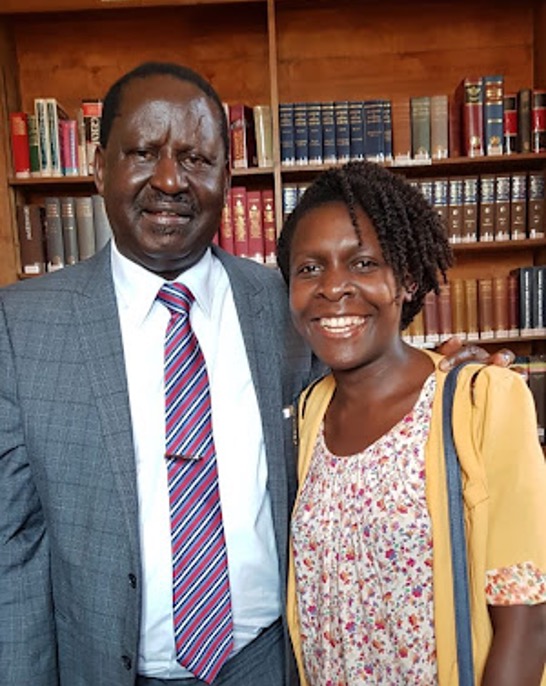 to the unforgettable moment of meeting Kenya’s former Prime Minister at the Cambridge Union.
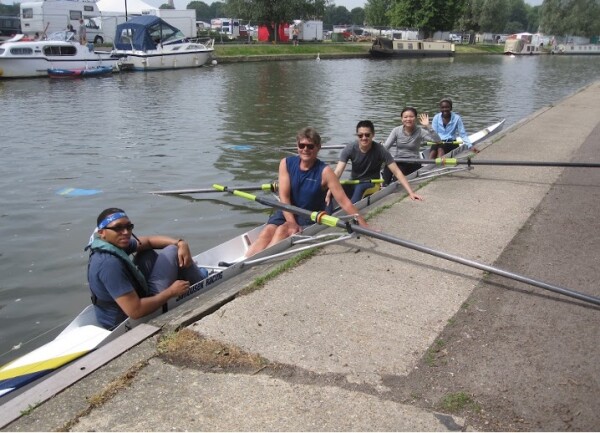
With former Kenyan Prime Minister Raila Odinga after his talk at the Cambridge Union and about to row off: I spent many a Sunday morning with friends at the Wolfson College Boat Club.
Testament
This PhD would not have been possible without the incredible women—and the community—who supported and sustained me along the way.
I owe immeasurable gratitude to Dr Maria Iacovou; I could not have asked for a better supervisor.
My heartfelt thanks also go to the Cambridge-Africa team, especially Dr Caroline Trotter, Dr Tabitha Mwangi, and Corinna Alberg. I will never forget Caroline’s kindness in driving all the way to Peterborough at the peak of the pandemic, when I was drowning in stress and isolation, just to check in and help me find my footing again. I also valued Tabitha’s regular video calls and text messages which were full of encouragement alongside Corinna’s continual check-in emails.
This PhD is my testament to women like me, those navigating the beautiful, complex demands of building both a family and an academic life: those who choose to ‘do it all’. Postgraduate studies still struggle to make space for early motherhood; its timelines rarely account for the realities and rhythms of carrying new life, caregiving, exhaustion, or the nonlinear paths that we often walk. But if a doctorate is one of your dreams, it can be done. It may look different. It may take longer. Nevertheless, it can still be done: slowly but surely, imperfectly, yet excellently still!
‘Here’s to strong women. May we know them. May we be them. May we raise them.’ — Anonymous
By Margaret Kerubo Njenga