

The Missing Lever for Climate Action in Kenya: Urban Rental Housing
By Professor Sunikka-Blank & Dr Katz (Cambridge) & Dr Gichuyia & Arch Kimeu (University of Nairobi)
In Nairobi, where 91% of households are renters, climate change is experienced first-hand in homes, from overheating rooms to flood-prone neighbourhoods. Yet the people most affected by these risks often have the least control over how their homes are designed, upgraded or maintained.
We are pleased to announce the launch of a new policy brief and project report from the Urban Rental Housing and Climate Resilience Project, officially launched at the Innovate for Cities I4C Conference in Nairobi on 21-24 June 2026. The project places rental housing at the centre of climate action in Kenya.
About the project
The Urban Rental Housing and Climate Resilience Project was funded by the Mastercard Foundation and the University of Cambridge Climate Resilience and Sustainability Research Fund (2025).
It is a collaboration between: University of Cambridge, University of Nairobi (UoN), Jomo Kenyatta University of Agriculture and Technology (JKUAT), Kenyatta University (KU) and Technical University of Kenya (TUK) and the Architectural Association of Kenya (AAK).
The project addresses a key evidence gap: the lack of detailed understanding of urban rental housing typologies, tenure structures (formal and informal) and their implications for climate resilience and energy justice. Rental housing is particularly vulnerable due to inadequate infrastructure, exposure to high-risk locations, limited tenant control over upgrades and the landlord–tenant split incentive. At the same time, it offers a powerful opportunity for targeted, scalable climate action—if supported by the right policies.
Why rental housing matters for climate resilience
The project provides new empirical insights into Nairobi’s rental housing system:
- Nairobi is a “City of Renters”. 91% of households in Nairobi are renters, making rental housing central to climate resilience.
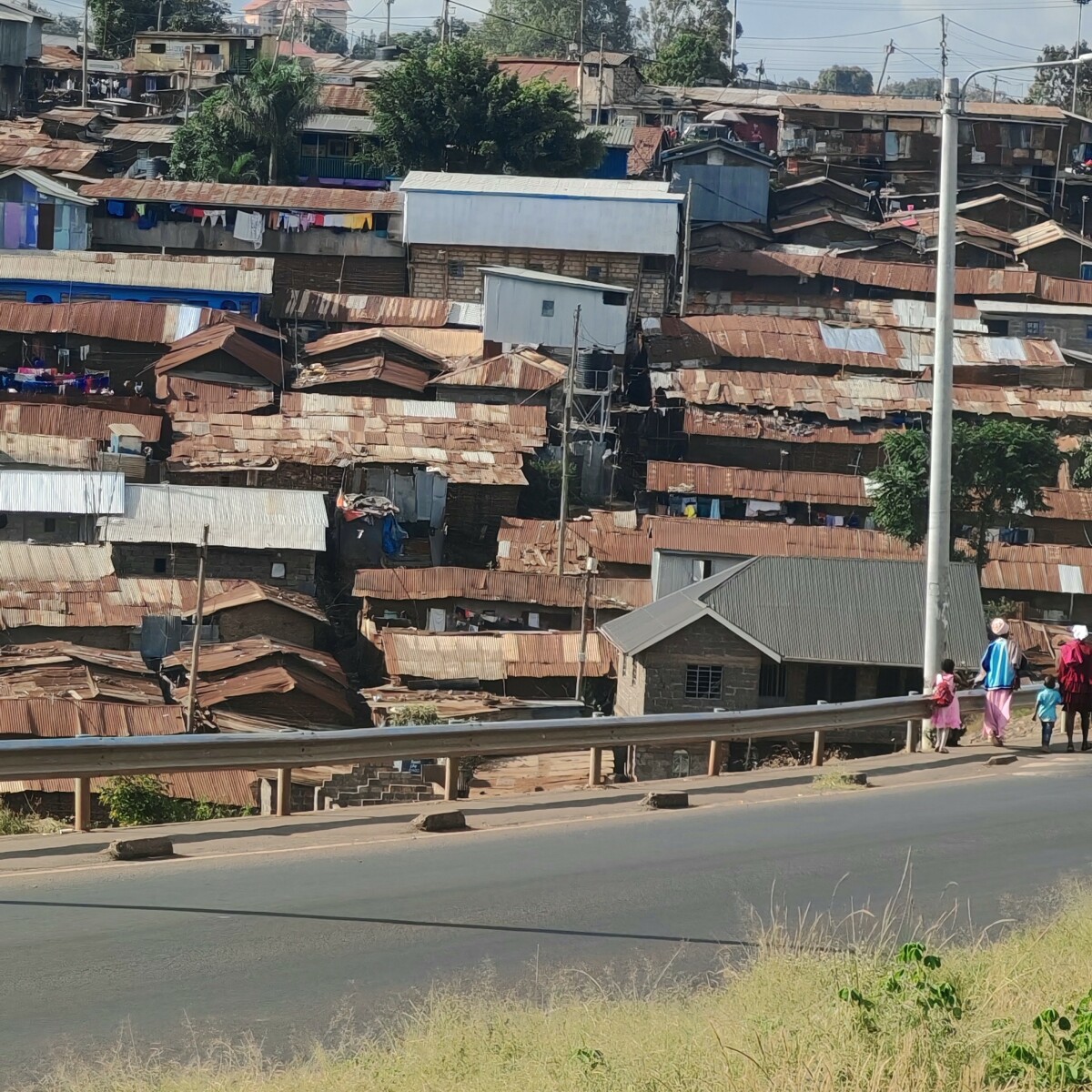
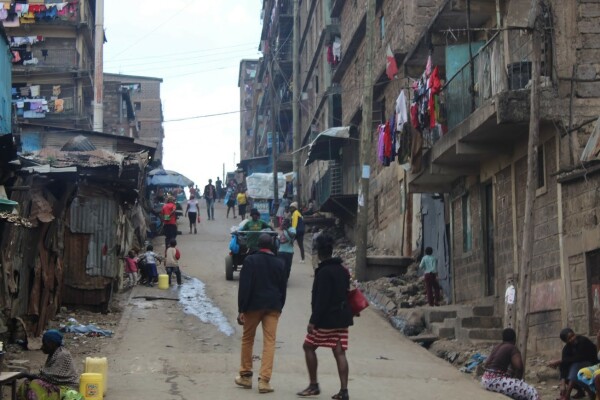
- This study introduces a four-layer classification taxonomy and presents the first city-wide empirical mapping of 20 rental housing typologies, including two dominant typologies (informal row houses and formal high-rise flats).
- Formal and informal typologies cut across high-, middle- and low-income neighbourhoods. Informal typologies exist in perceived affluent neighbourhoods (e.g. Karen). Formal high-rise buildings exist in informal settlements (e.g. Kibera). This challenges the assumption that climate vulnerability aligns neatly with informality or income-based classifications.
- Infrastructure inequalities and the “triple burden”: unequal access to energy and water shapes resilience. Unequal tariffs, intermediary provision and insecure access create structural inequalities. Residents in informal settlements experience “triple burden”: poor living conditions, disproportionate housing and service costs (“poverty penalty”), and greater exposure to immediate climate risks.
- The study challenges conventional binaries (e.g. renter vs. owner-occupier; formal vs. informal; public vs. private; rich vs. poor) that underpin existing policy frameworks and fail to capture the complexity of contemporary urban housing systems. It also reveals a dynamic rental ecosystems and multiple-tenure models. Even in Kibera, 60% of respondents own property elsewhere.
The study provides new analytical tools that enable a more precise global understanding of contemporary housing systems. It shows how current legal frameworks (e.g. single dwelling vs. multi-dwelling units) and market classifications (e.g. by room count) are crude and unspecific, while policy remains reliant on aggregate projections. Sharing data and knowledge about what is going to be built, where, and for whom is key to supporting effective climate resilience planning.
The policy brief and the full report are now available.